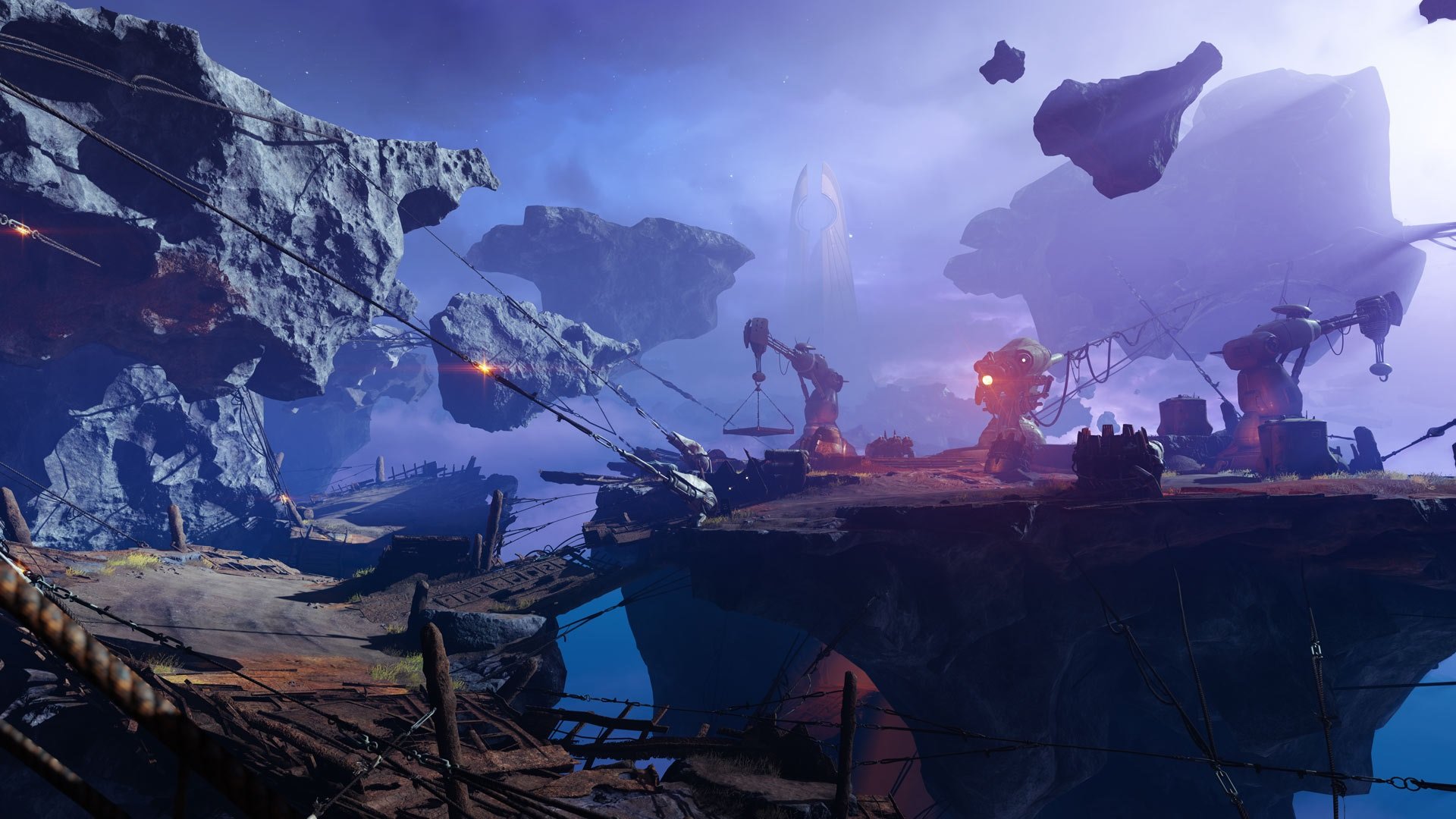
Destiny 2: Forsaken
Project: ‘Destiny 2: Forsaken’ - a major expansion to Bungie’s live‑service shooter, introducing the “Tangled Shore” and “Dreaming City” destinations, new gameplay systems, the “Scorn” enemy faction, the bow weapon archetype, and the groundbreaking endgame cycle tied to the “Last Wish” raid.
Final Role / Title: Quality Assurance Engineer (contract) — contributed to pre-release QA sign-off for ‘Destiny 2: Forsaken’ and ongoing ‘Destiny 2’ updates and seasonal releases, partnering with multiple cross-functional feature teams to validate UI/UX, gameplay systems, backend services, and live-service functionality across simultaneous seasonal and expansion development tracks.
What is Destiny 2: Forsaken?
‘Destiny 2: Forsaken’ is a major content expansion released in 2018 for ‘Destiny 2’, a first-person shooter video game developed by Bungie. ‘Destiny 2: Forsaken’ focused on the player's in-game Guardian character seeking revenge for the death of fan-favorite Vanguard leader Cayde-6 at the hands of the Awoken Prince Uldren Sov. ‘Destiny 2: Forsaken’ was notable for being the first major ‘Destiny 2’ expansion to feature a full-length narrative campaign, expanding on in-universe lore, and introducing new characters, factions, locations, weapons, and activities for players to explore.
Key features of ‘Destiny 2: Forsaken’ include:
New ‘Destiny 2: Forsaken‘ Story Mode Campaign
New Worlds: ‘The Tangled Shore’ & ‘The Dreaming City’
New Enemy Type: ‘The Scorn’
New Raid: ‘The Last Wish‘
New Dungeon: ‘The Shattered Throne‘
4 New Multiplayer Strike Missions
Four New Crucible Maps
Role & Responsibilities
Supported the final pre‑launch validation of ‘Destiny 2: Forsaken’ by executing comprehensive test passes across UI/UX, gameplay and monetization systems, backend services, and progression flows, ensuring the expansion shipped in a stable, polished state across all platforms.
Partnered with multiple feature teams during the expansion’s launch window, rapidly triaging high-priority issues, verifying hotfixes, and coordinating with designers and engineers to ensure that live updates addressed player-impacting problems without introducing regressions.
Contributed to ongoing live‑service support by validating seasonal updates, sandbox tuning changes, playlist rotations, and backend service adjustments, helping maintain a consistent, high‑quality experience for ‘Destiny 2’s active player base.
Coordinated cross‑team playtests during both pre‑launch and post‑launch phases, synthesizing feedback from designers, engineers, and QA to identify systemic risks, evaluate new builds, and ensure that changes integrated cleanly into the live environment.
Designed and executed complex validation plans for multiple in-progress releases running in parallel, supporting the unique demands of a live-service pipeline where expansions, seasonal content, and hotfixes overlapped.
Collaborated with platform partners (Xbox, PlayStation) to support certification requirements for patches and updates, ensuring that all live-service deployments met compliance standards and were approved for distribution on schedule.
Actively participated in daily stand-ups, sprint rituals, and milestone reviews, providing QA insight that informed prioritization, risk assessment, and cross-team alignment throughout both the launch cycle and ongoing live-service cadence.
Challenges, Learnings, & Career Impact
Joining Bungie during the final months of the ‘Destiny 2: Forsaken’ release’s development placed me directly into a fast‑moving, high stakes launch environment. The expansion was already deep into production, and I had to rapidly absorb years of accumulated systems and rituals, custom game engine and tooling workflows, and overall franchise design intent to contribute meaningfully to the launch effort. This required quickly understanding how new in-game destinations, activities, UI flows, and backend‑driven systems fit together within ‘Destiny 2’s broader live‑service ecosystem.
One of the biggest challenges was adapting to the realities of live-service development - where multiple releases, seasonal updates, hotfixes, and expansion content all move forward simultaneously. I had to learn how to evaluate features that were still evolving, how to identify systemic risks across interconnected gameplay loops, and how to support rapid iteration during the final weeks leading up to launch. This environment demanded strong communication, precise triage, and the ability to stay calm and focused as priorities shifted daily.
Another major learning curve involved mastering Bungie’s custom game engine and toolset. ‘Destiny 2’s development pipeline blends widely used industry tools with deeply specialized and custom internal systems that rely heavily on tribal knowledge. Getting up to speed required curiosity, persistence, and a willingness to ask the right questions at the right time. As I became more fluent with their engine and tools, I was able to contribute more effectively to cross‑team playtests, validation passes, and live‑service support after launch.
My experience on ‘Destiny 2: Forsaken’ marked the first major release I was a part of at Bungie and became a pivotal step in my career. It taught me how to operate inside a mature, large‑scale live-service environment, how to collaborate across multiple feature teams under tight timelines, and how to translate ambiguity into clear, actionable testing and alignment strategies.
Where to get Destiny 2: Forsaken
‘Destiny 2: Forsaken’ was officially released to all major physical and digital video game retailers in September 2018 (current availability may vary).
Destiny 2: Forsaken - Links & Media
Bungie: Destiny 2: Forsaken | Bungie.net
Wikipedia: Destiny 2: Forsaken - Wikipedia
PC Gamer: Destiny 2: Forsaken Review - PC Gamer